ChessZCam at Keong Hoe: Two Complete Games and the Next Problems to Solve
The system was generally stable, and two monitored games reached the endgame and checkmate. The same test also showed why Stockfish presentation, camera setup and repeatability still need more work.
By zonChessPublished 2026-07-308–10 min read
The result
Generally stable, with two games followed into endgame and checkmate
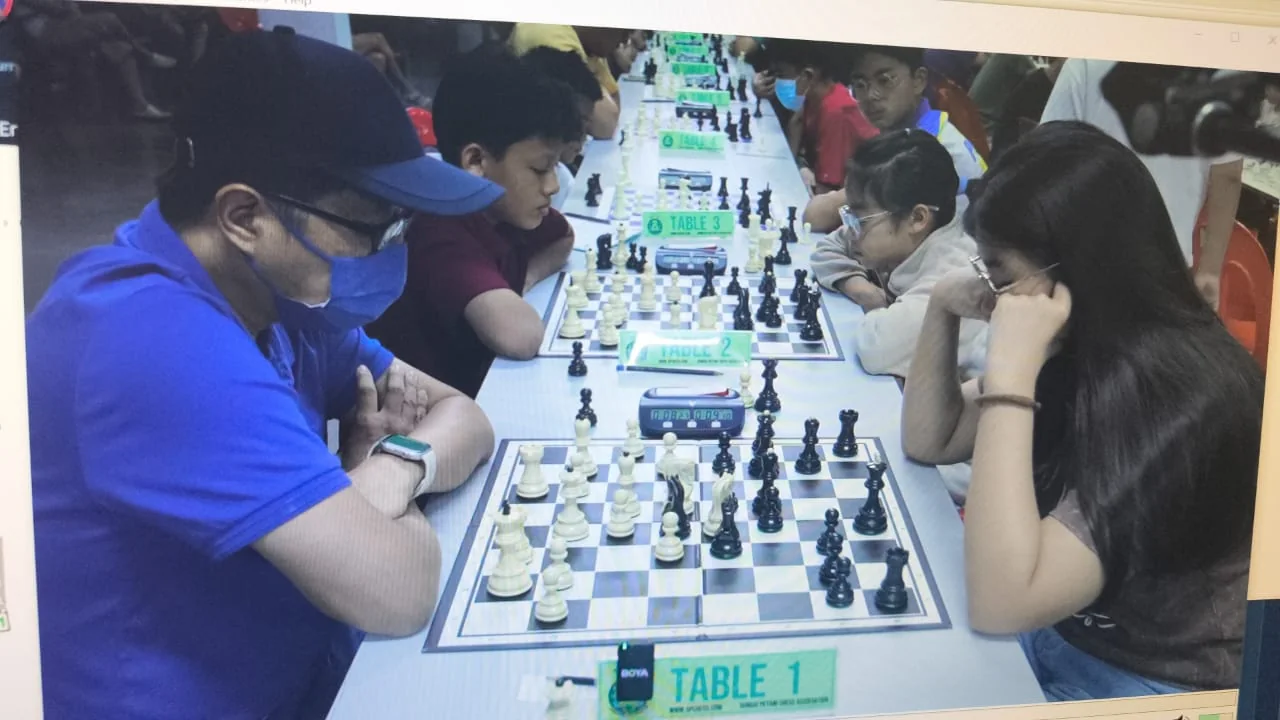
The third tournament test produced the strongest complete-game result so far. Two monitored games were identified through the endgame and checkmate. That does not mean every game or every venue condition is solved, but it shows that the revised pipeline can remain coherent across a full game.
What this result means
It is encouraging evidence from one real venue—not a universal accuracy percentage or a guarantee for every board, phone and lighting setup.
The physical setup
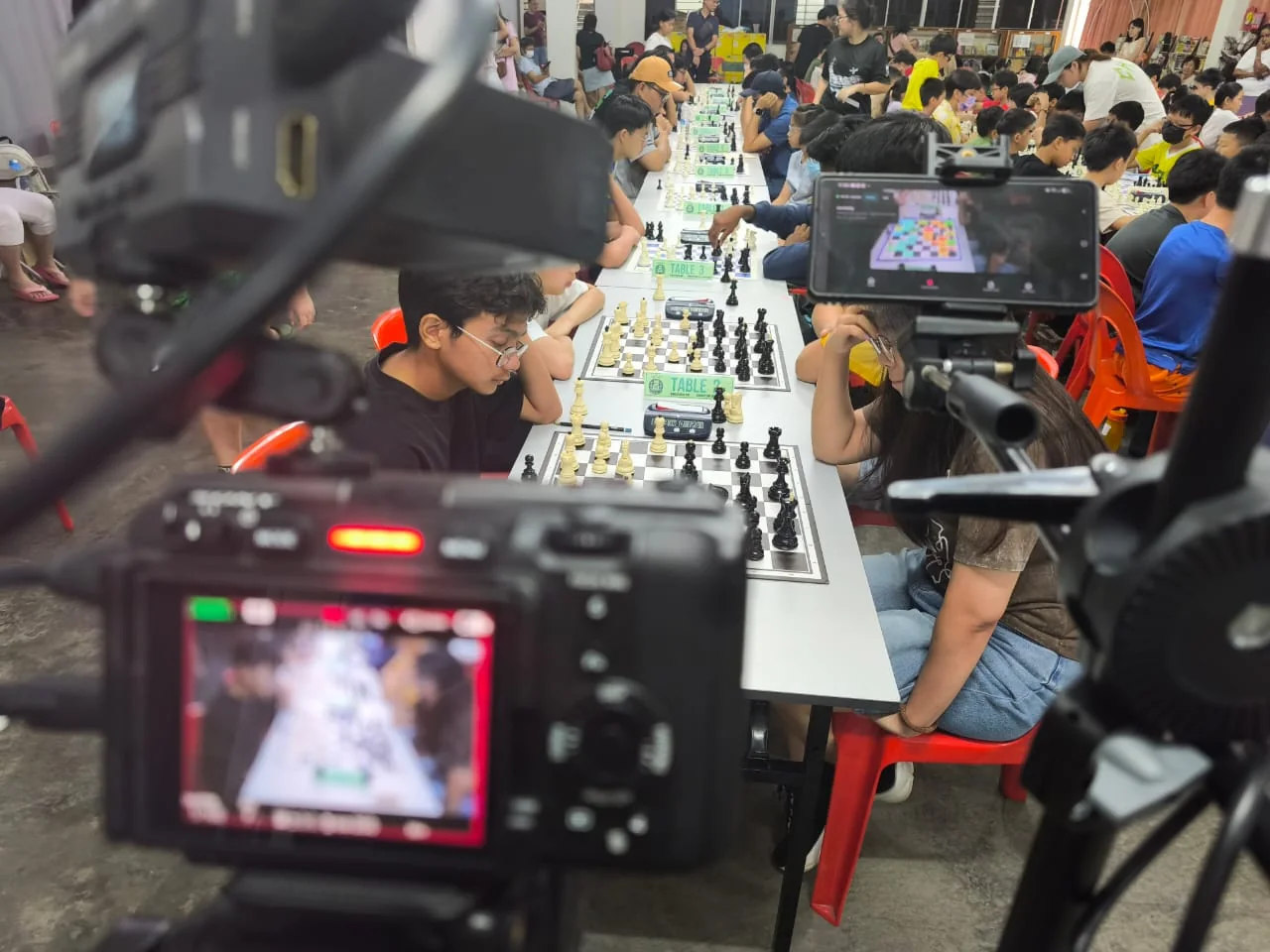
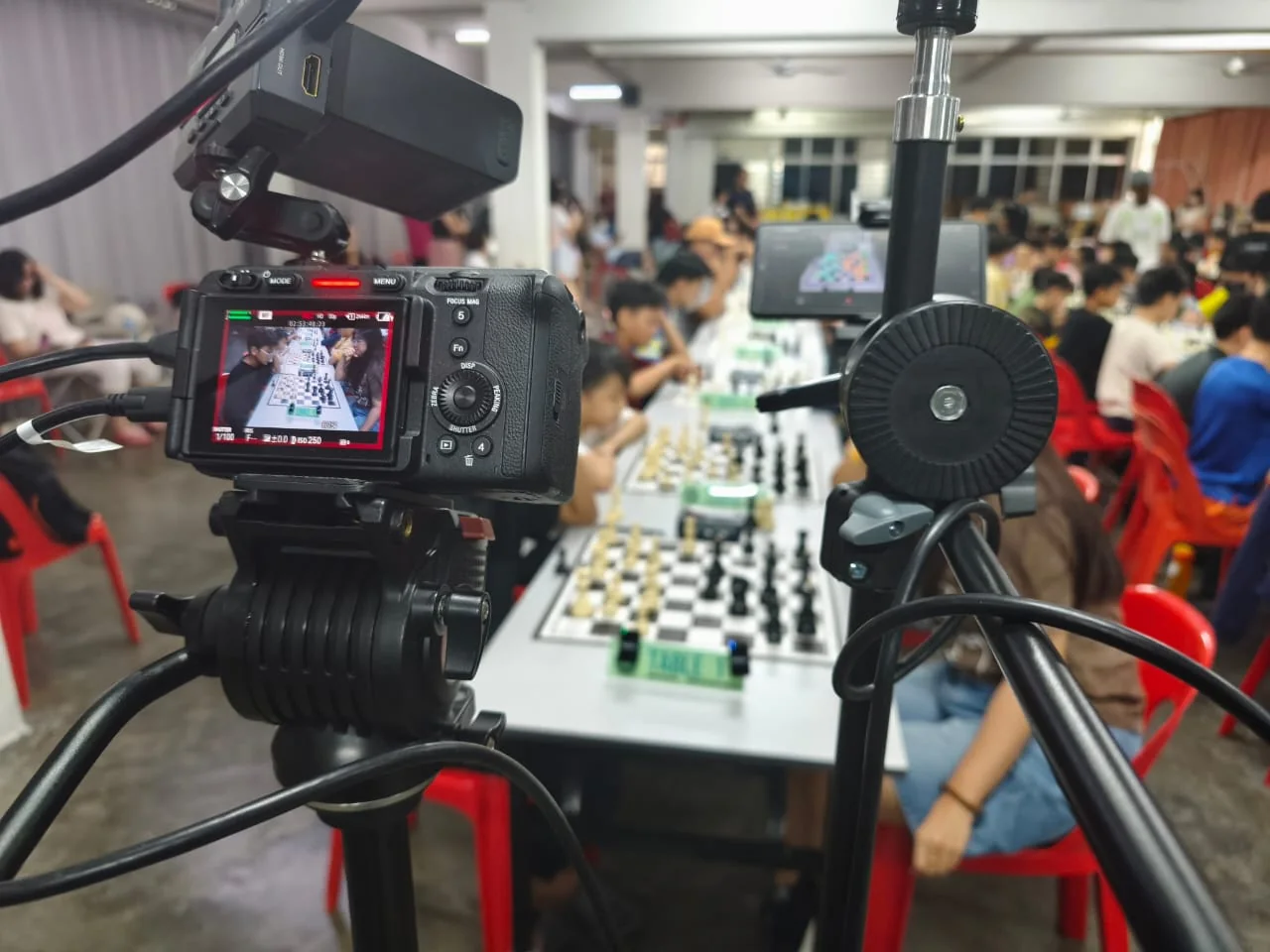
Recognition quality begins before the software sees a frame
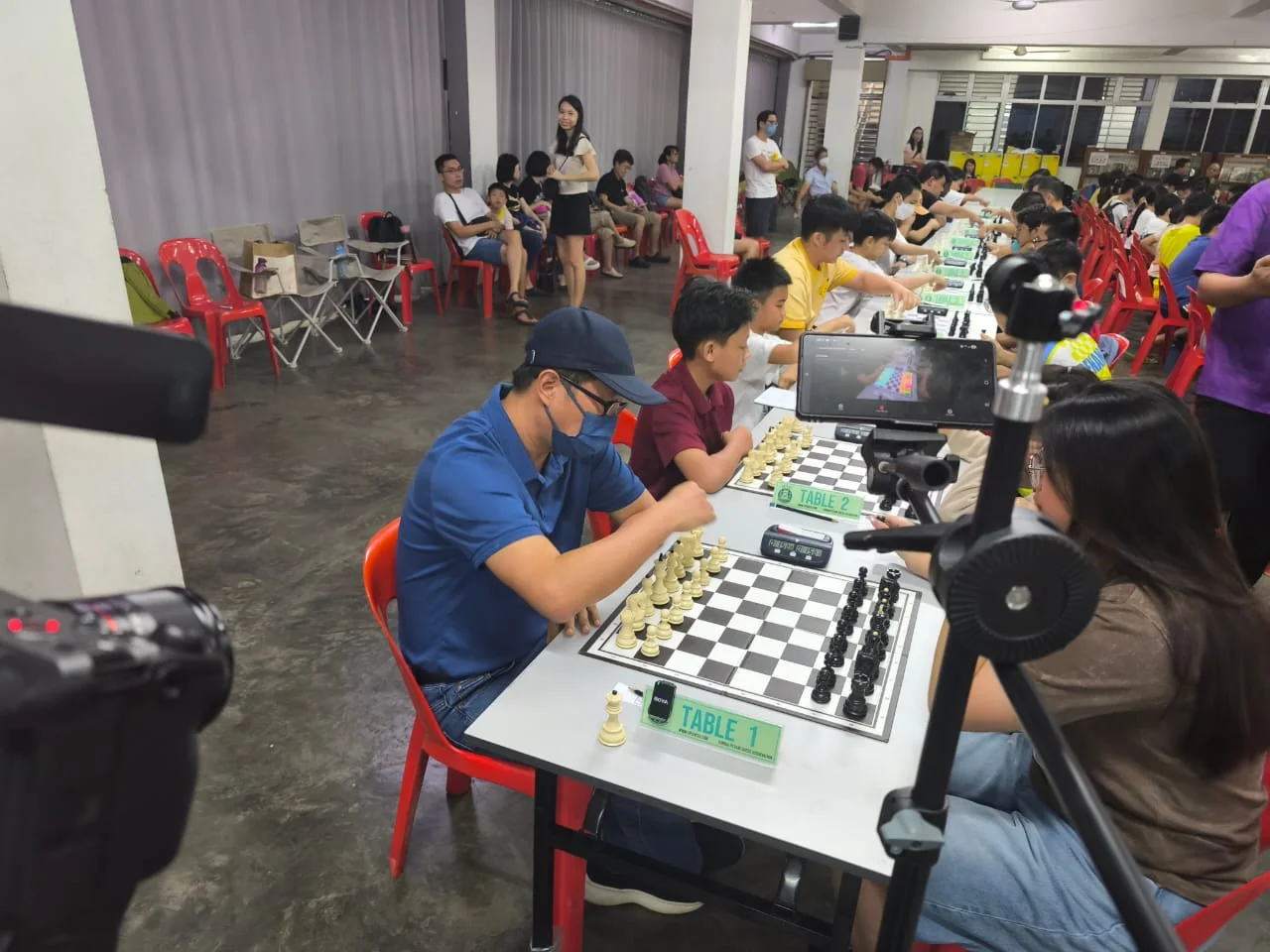
Camera height, tripod position, board coverage, brightness, contrast and focus all affect the observations sent to the move engine. A small visual improvement at the camera can be more valuable than a large amount of correction later.
Camera and phoneThe broadcast and recognition workflows were tested side by side.Board framingEvery square needs a consistent, unobstructed view.Real venue conditionsPeople, movement and changing light are part of the test—not exceptions.
New build work
Three practical changes were visible in this test cycle
Opening book moves
The system can identify book moves and display the opening context as a game develops.
Best-possible-effort frames
The camera pipeline now works harder to select a useful observation before the move logic commits to a change.
Friendlier PC Controller Hub
The Windows workflow is being simplified and made more flexible for the unexpected situations that occur in a tournament hall.
More careful recovery
The architecture continues to favour review and correction when the physical and digital positions begin to disagree.
What still needs improvement
Stockfish presentation and setup repeatability remain active work
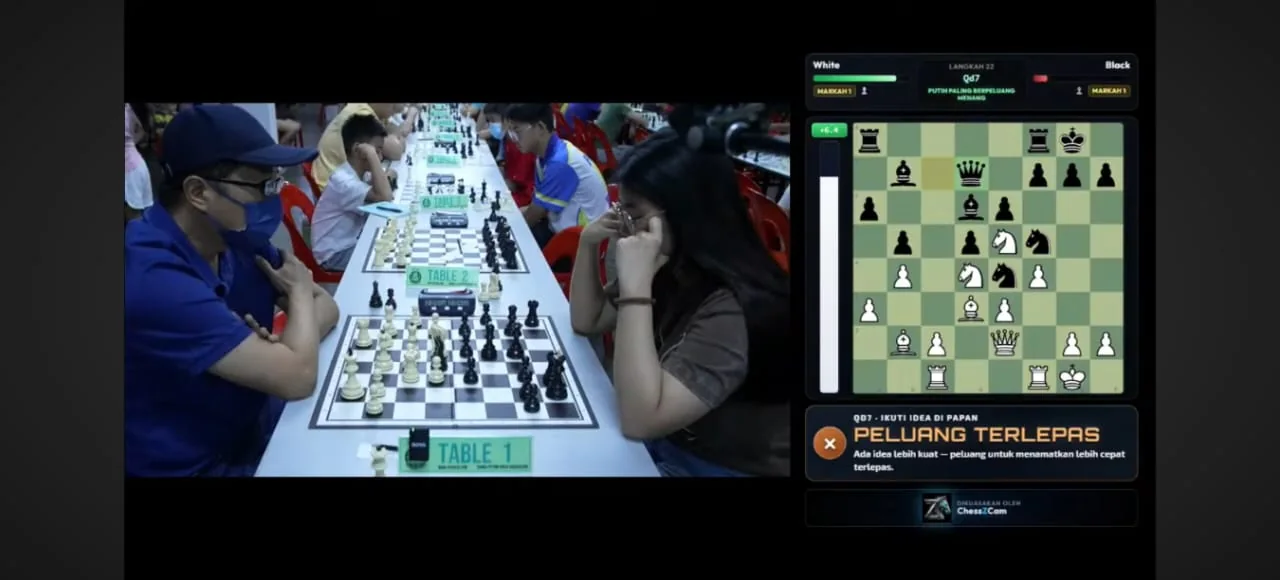
The next improvement is not only whether Stockfish calculates a position. The analysis also needs to appear at the right time, in a useful form, without distracting from the live game.
We also need a setup procedure that gives different operators a better chance of reaching the same camera quality. That includes practical guidance for tripod height, board angle, exposure, focus, glare and piece-to-square contrast.
Diagnostics
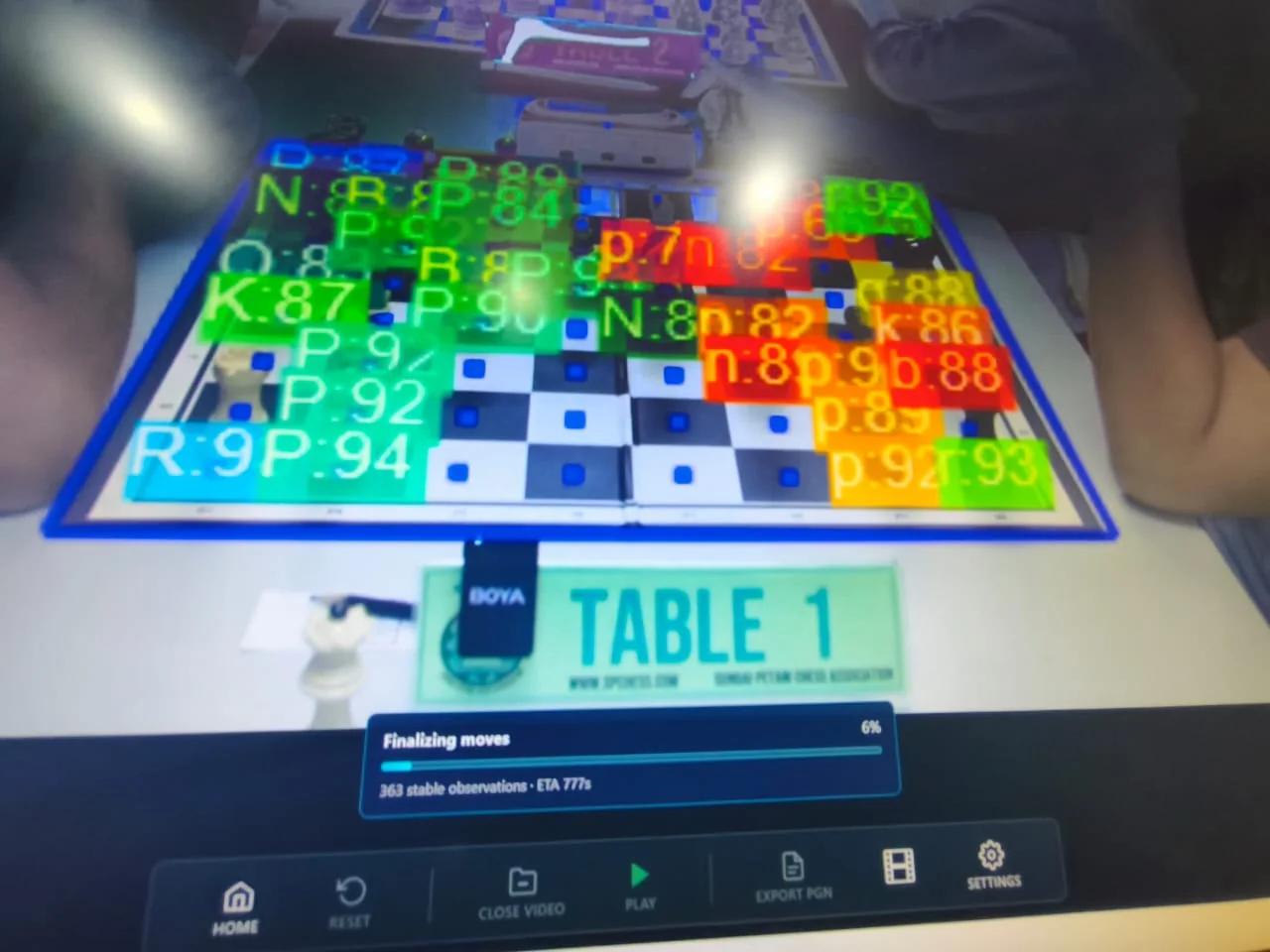
The colourful labels are not the product—they help us understand the product
The debug view exposes per-piece observations and confidence. It helps reveal whether the problem came from the camera image, piece classification, temporal stability or move reconciliation. Normal viewers do not need this screen, but development does.
Broadcast evidence
The field test can be watched in context
These are the real event broadcasts—not edited product demonstrations. The quality and behaviour should be judged with the understanding that ChessZCam is still in development.
Several large code updates are now being integrated. They need further tests with different phones, boards, halls and operators. The goal is not to keep ChessZCam in development forever; it is to avoid treating one successful evening as proof that every difficult condition has been solved.